

What Is Mezze? Your Complete Guide to Mediterranean Small Plates
New York
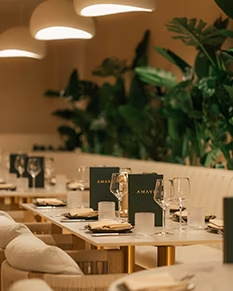
Quickly, picture the sound of laughter at a long table, glasses clinking over conversation, and a surface covered in small plates. Warm pita next to a bowl of labneh. Grilled halloumi landing beside a bright salad. A cucumber yogurt dip glowing green in the middle. At AMAVI in New York City and Miami, this is a typical evening. It's also the best way to understand mezze.
Mezze (also spelled meze or mezza) means small, shareable Mediterranean plates designed for communal dining and unhurried conversation. The idea isn't new. It's been the shape of dinner across Greece, Turkey, Lebanon, and the wider Eastern Mediterranean for centuries. What's new is how well mezze fits modern urban dining, where professionals, friends, and families want meals that feel social, flexible, and alive.
Mezze matters today because it's the original social dining format. Tapas and antipasti get most of the press, but mezze has always been there, quietly defining how a table can feel when everyone eats from the same spread.
This guide covers the mezze meaning and origins, the dishes you should expect on a proper spread, how to order like you've been doing this for years, and why AMAVI's mezze is a good fit for lunch, dinner, brunch, or a private event.
Mezze Meaning: More Than Just Mediterranean Appetizers
The word mezze comes from the Persian and Arabic root "maza," meaning "taste" or "snack." The origins of mezze trace back centuries across the Eastern Mediterranean. The definition of mezze today has expanded well past that original root. It now describes a whole dining philosophy built around variety, sharing, and extending the meal into a social experience. When you order mezze, you're not asking for appetizers. You're asking for the evening to take its time.
There's a useful comparison with Spanish tapas and Italian antipasti. All three use small plates. Mezze spreads tend to be more generous, include hot and cold dishes at the same time, and lean heavily on dips and spreads eaten with bread. Tapas often foreground fried items and cured meats. Antipasti lean toward cheeses, marinated vegetables, and charcuterie. Mezze has its own rhythm and its own center of gravity.
Mezze sits at the heart of Eastern Mediterranean dining culture. Greece, Turkey, Lebanon, Syria, and Israel all treat mezze as a way of life, under slightly different local names like meze, maza, and mezethes. Urban diners in New York and Miami have taken to it for obvious reasons. The format handles dietary preferences easily. It photographs beautifully. And the social dining experience cuts through a week of screens and back-to-back meetings.
AMAVI's approach draws from across these traditions. Authentic Mediterranean ingredients, a contemporary room, and plates clearly built for sharing. That broader definition of mezze is what guests at AMAVI experience from the first spread of dips to the last bite of halloumi.
What Does Meze Mean in Different Mediterranean Regions?
Meze means the same thing everywhere it shows up, though the flavors change. In Greece, mezethes pair easily with ouzo and feature grilled octopus, fava bean puree, and feta. Turkish meze leans on eggplant dishes, yogurt-based dips, and herb-forward salads. Lebanese mezze is often the fullest spread, with hummus, baba ghanoush, tabbouleh, fattoush, and kibbeh. At the core, meze means the same invitation: pull up a chair, stay a while.
AMAVI draws inspiration from across these regions. Guests in NYC and Miami get a pan-Mediterranean mezze experience rather than a single country's version, which keeps the menu wide and the table interesting.

What Is Mezze Food? Essential Components of a Mezze Platter
Mezze food is built on balance. A traditional Mediterranean mezze platter includes dips and spreads, fresh and grilled vegetables, cheeses, olives, warm breads like pita or focaccia, and proteins such as grilled kebabs, seafood, or falafel. You want textures (creamy, crunchy, tender), temperatures (hot and cold at the same time), and flavors (tangy, smoky, herbaceous, sometimes spicy). A well-composed Mediterranean mezze platter feels designed without looking like a performance.
There's a loose progression. Most tables start with dips, bread, and cold mezze, then move to hot plates as the meal opens up. At AMAVI, there are no hard rules. Order what catches your eye in whatever sequence feels right.
Key ingredients keep showing up across traditions. Olive oil, tahini, fresh parsley and mint, lemon, za'atar, sumac, chickpeas, eggplant, and strained yogurt. What is meze food, in the end? It's what you get when these ingredients meet simple techniques and a long table. And what is meze food worth seeking out? The kind that tastes clearly of each component without trying to show off.
Dips and Spreads: The Foundation of Every Mezze Table
Dips and spreads anchor the spread. Hummus (chickpeas, tahini, lemon, garlic), baba ghanoush (smoked eggplant, tahini, herbs), labneh (strained yogurt with olive oil), and tzatziki (cucumber, yogurt, dill, garlic) are the core four. They bring creaminess, tang, and richness, and they exist to be scooped with warm bread.
AMAVI's dips lean on freshness. Chickpeas cooked properly. Eggplant smoked until it tastes like autumn. Labneh that tastes clean rather than heavy. These are the small choices that make a whole mezze food menu land.
Fresh and Grilled Vegetables: Color and Flavor
Vegetables are not an afterthought on a mezze table. Roasted peppers, grilled zucchini, charred cauliflower, sliced tomatoes with sea salt, and cucumber ribbons carry real weight. The plates stay colorful, and the meal stays light.
This is why mezze Mediterranean food appeals so strongly to vegetarians and health-conscious diners. The vegetables aren't sides. They're centerpieces, and a smart mezze Mediterranean food order aligns well with the principles of the Mediterranean diet, built around vegetables, olive oil, whole grains, legumes, and lean proteins.

Iconic Mediterranean Mezze Dishes You Need to Try
Every first-timer should try a handful of dishes that define the genre. Regulars come back for the same hits. Think of the list below as a starter menu tour, a mix of cold and hot, vegetable-forward and protein-led.
Expect bright lemon. Expect smoke. Expect a table that goes quiet for a second while everyone figures out who's reaching for the last piece of halloumi.
AMAVI's team builds mezze with NYC professionals at lunch and Miami guests at weekend brunch in mind. Flavors land clearly. Plates travel well across the table.
Mezze Classics: Hummus, Falafel, and Halloumi
- Hummus: creamy chickpea dip, rich with tahini and lemon. The non-negotiable base for any mezze spread. Texture should be silky, and the flavor should be bright, not flat.
- Falafel: crispy, herbed chickpea fritters with a green interior from parsley and cilantro. Satisfying, portable, and beloved by vegetarians. Served warm with tahini sauce and lemon.
- Halloumi: the Mediterranean grilling cheese. Salty, a little squeaky, and delicious warm or at room temperature. Pairs beautifully with fresh vegetables, figs, or a honey drizzle.
How to Order and Enjoy Mezze Like a Pro
Ordering mezze for the first time can feel open-ended. A simple rule of thumb: aim for 2 to 3 dishes per person if you want a full meal, or 4 to 6 dishes for two people to share. Groups of four or more should aim higher and let the table spread out.
Balance the order the way a chef would. Start with two or three dips, add bread, then pick a couple of vegetable plates, and round it out with a protein or two. Mix cold and hot. Don't order four dips in a row. Leave a little room to add a late hot plate once the table has warmed up.
There's no wrong way to enjoy mezze. It's meant to be relaxed, exploratory, and social. The format works for solo diners who want variety, couples on a date, business lunches, and groups of six. AMAVI's team in both NYC and Miami knows the menu well and can suggest combinations based on group size, appetite, and preference.
Drinks matter. Crisp white wines, rose, Mediterranean reds like xinomavro, or cocktails with citrus and herbal notes all work. A gin drink with cucumber or a glass of assyrtiko can be a small revelation next to a plate of grilled halloumi.
Why Mezze Is Perfect for Every Occasion
Mezze fits more occasions than almost any other format. Casual lunches. Celebratory dinners. Weekend brunch with friends. Private events, catering, and corporate gatherings. The table adapts to the moment.
The social aspect is the biggest draw. Mezze encourages conversation and sharing in ways a single-plate meal never does. You reach across the table. You pass things. You build inside jokes about who keeps taking the last piece of something. That kind of meal builds connections without any effort.
Dietary flexibility is another reason mezze has become a favorite for diverse groups. Most mezze menus offer strong vegetarian, vegan, and gluten-friendly choices without anyone needing to request modifications. Everybody eats well. Nobody gets a sad side salad.
AMAVI's Mediterranean mezze is built for every version of this. For a casual weekday meal or a weekend with friends, the New York menu runs deep. For larger gatherings, the New York events page cover private dining details. For off-site catering, reach out to the New York team to talk through your event.

Mezze at AMAVI: Where Mediterranean Spirit Meets Urban Sophistication
AMAVI's mezze program is built around a simple idea. Use fresh, high-quality Mediterranean ingredients. Serve them in a room that feels vibrant without being loud. Design a menu that rewards sharing and slowing down.
Signature plates rotate with the season. The kitchen sources carefully, handles vegetables with restraint, and treats proteins with the kind of respect that shows up in the finished plate. Whether you're in New York City or Miami, the same standard carries across both dining rooms.
Mezze at AMAVI works for lunch with a colleague, dinner with a partner, brunch with friends, or a private event you'll actually enjoy hosting. Urban professionals, foodies, hotel guests, and anyone looking for a warm, sophisticated Mediterranean meal will feel at home. Typing "meze platter near me" into your phone in Manhattan or Miami returns a handful of options. AMAVI is the one that rewards the trip, and any search for "meze platter near me" that ends at AMAVI tends to become a regular habit.
Conclusion
Mezze is a celebration of flavor, variety, and togetherness rooted in Mediterranean tradition. Understanding the mezze meaning and the format behind it makes every future dinner better. You'll order with confidence, explore more freely, and savor the kind of meal that extends into a real evening. The mezza mediterranean tradition, whether you call it meze, mezze, or mezza mediterranean, rewards slow eating and good company.
Visit AMAVI in NYC or Miami to taste the difference that fresh ingredients, careful preparation, and a convivial atmosphere make. Mezze is more than a meal. It's a moment to slow down, share, and enjoy life, Mediterranean-style.
Ready to experience it? Explore the menus above, or make a reservation at AMAVI for your next dinner, brunch, or group gathering.
FAQs
What does mezze mean?
Mezze (also spelled meze or mezza) comes from the Persian and Arabic word "maza," meaning "taste" or "snack." It refers to a selection of small, shareable Mediterranean dishes served as appetizers or as a full meal. Mezze is central to dining culture across Greece, Turkey, and Lebanon.
What is typically included in a mezze platter?
A mezze platter typically includes dips and spreads (hummus, baba ghanoush, labneh), fresh and grilled vegetables, cheeses like halloumi or feta, olives, warm pita or flatbreads, and proteins such as falafel, grilled kebabs, or seafood. Balance of flavors, textures, and temperatures is the goal.
How is mezze different from tapas or antipasti?
Mezze, tapas, and antipasti are all small shared plates, but mezze is unique to the Eastern Mediterranean and typically serves hot and cold dishes together with an emphasis on dips, spreads, and bread. Tapas are Spanish and feature cured meats and fried items. Antipasti are Italian.
Is mezze suitable for vegetarians?
Yes, mezze is excellent for vegetarians. Many classic mezze dishes are naturally plant-based, including hummus, baba ghanoush, falafel, tabbouleh, and grilled vegetables. The variety and abundance of vegetarian options make mezze a favorite for diners seeking flavorful, healthy, and satisfying meat-free meals that still feel abundant.